
Preparing Appliances for Moving Day: When to Plug In
Arriving at your new home doesn’t mean every appliance is ready to plug in. Preparing appliances for moving day should begin two or three days ahead, with household appliances switched off and unplugged 24 to 48 hours before the move. After transport, let a fridge-freezer stand upright for the period specified in its manufacturer’s instructions, particularly if it was tilted.
It’s natural to want the fridge cooling and the washing machine running as soon as you arrive. Preparing appliances for moving day helps protect them from water spills and transit damage, and prevents you switching them on before they’re ready. This guide explains when to defrost and secure fridge and freezer doors, how to drain a washing machine and fit its transit bolts, and what to do with ovens and cookers. You’ll also find a practical timeline for disconnecting, moving and reconnecting appliances, including when to plug them in at your new home. Check each appliance’s manual for its handling instructions, then follow the steps that apply to your move.
Table of Contents
Do Fridge & Freezer Doors Need To Be Taped Shut?
Switch off and defrost in advance. Turn off the fridge-freezer around 24 hours before moving, and allow 24-48 hours for preparation. Defrosting can take 12-24 hours, depending on ice build-up. A heavily iced freezer may need longer than a day to defrost and dry, so start earlier if frost is thick.
Let ice melt naturally. Remove food and place towels to catch water as the ice melts. Don’t use sharp tools to chip ice away, as they can damage the appliance interior. Once defrosted, clean and dry the inside thoroughly, including shelves, drawers and door seals. Trapped moisture can spill during transport or leave the appliance damp when you arrive.
Secure loose parts and doors. Remove shelves or drawers that could shift, or secure them as the manufacturer advises. Tape the fridge and freezer doors shut for transport, but don’t apply strong adhesive directly to painted or delicate surfaces unless you know it can be removed safely. Soft straps or protective wrapping can hold doors closed without damaging the finish.
Keep the appliance upright. Refrigerators and freezers should travel upright. Before moving large appliances, check the route through doorways, hallways and staircases, and plan around furniture. If tilting is unavoidable, follow the manufacturer’s instructions on the permitted position and settling time. Vacuuming the compressor or condenser before moving can also help remove dust.
Wait before reconnecting electrical power. After arrival, leave the appliance upright for the period stated in its manual, especially if it was tilted. A fridge-freezer moved upright may need a couple of hours to settle; one laid on its side may need up to 24 hours. Once plugged in, allow several hours for it to reach its set temperature before restocking.
What About Ovens & Cookers?
Moving an oven yourself can be risky because large appliances are heavy and awkward to handle. In the UK, a suitably qualified gas engineer should disconnect a gas cooker, while fixed electrical wiring should be disconnected by a suitably qualified electrician.
Disconnect gas and electric appliances safely
Arrange the correct professional disconnection before moving day. Don’t disconnect a gas line yourself. A gas engineer can make the cooker safe for transport. Fixed electrical wiring also needs a suitably qualified electrician. Avoid pulling an appliance away while cables or pipes remain connected, as this can damage the connections or appliance. Once disconnected, keep the cable clear of the route.
Protect appliances for transport
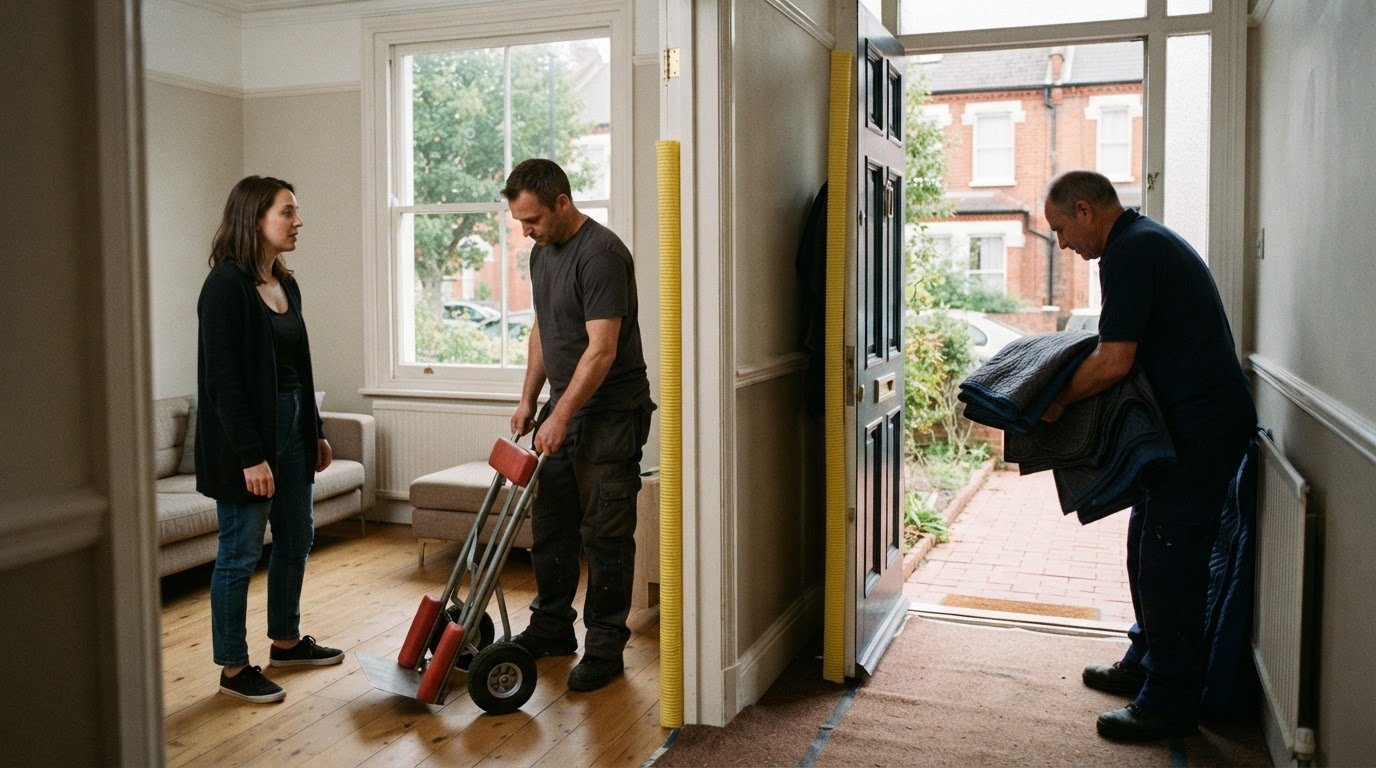
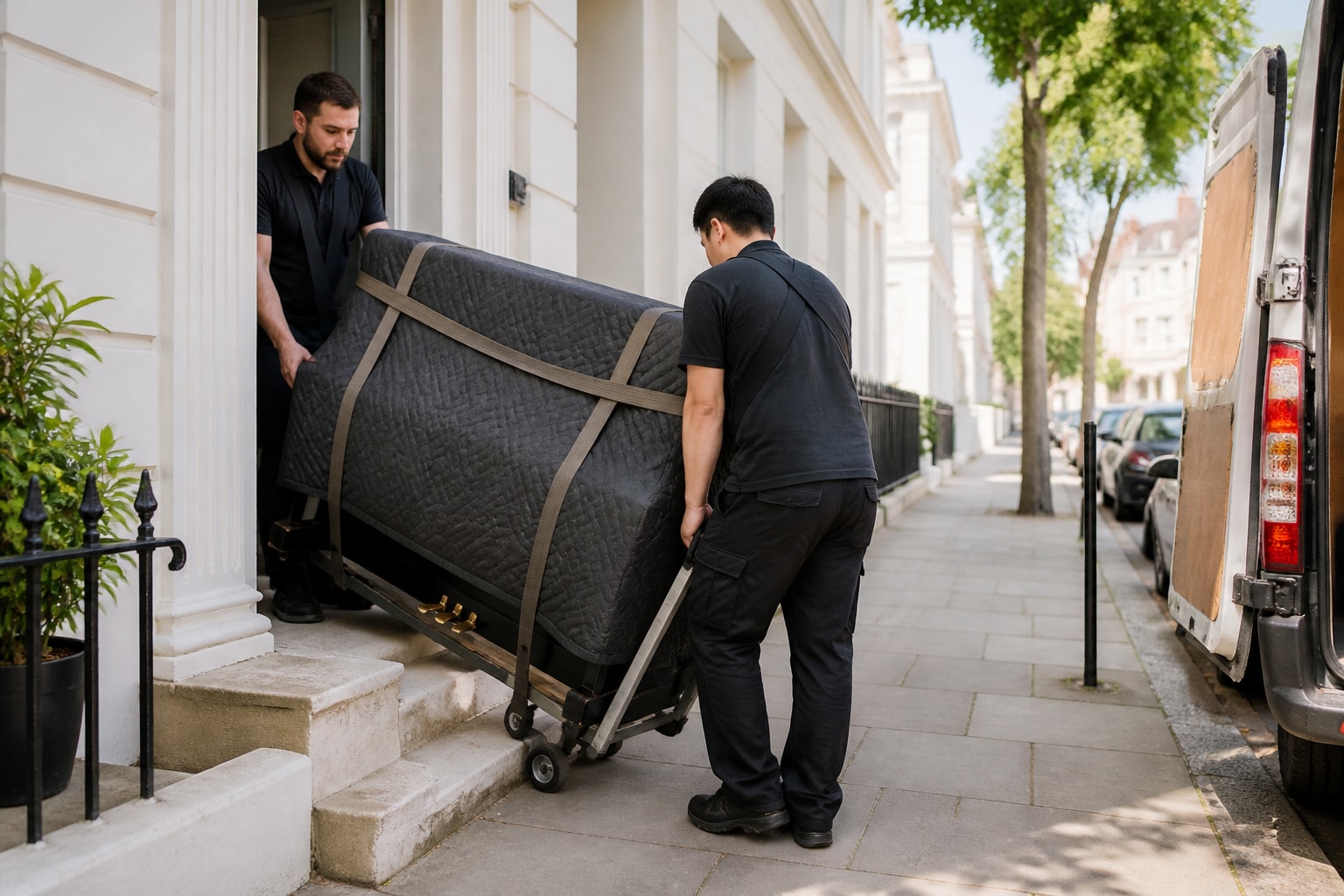
Protect the oven’s surfaces with blankets or suitable packing materials, securing them so they don’t slip during transport. Use an appliance dolly to manoeuvre heavy machines rather than dragging them across floors. Keep loose parts together and protect glass trays separately. A washing machine is different: check its manual for instructions on fitting the original transit bolts, which secure the drum during transport.
Prepare the oven. Remove loose shelves, racks and trays, then pack them separately to prevent movement or scratches. Secure the oven door with packing tape, a soft strap or protective wrapping. Avoid placing adhesive directly on delicate surfaces unless you know it can be removed safely.
Position it for the move. Load the oven onto its back to safeguard its pipes and cables. Keep the wrapped appliance stable and prevent it from shifting against furniture or other large appliances. Check the route through doorways before moving it, and don’t lift it by the door or cable.
Choose the right level of help. Moving a washing machine or large cooker with friends can be dangerous. Professional removal teams use equipment such as sack trucks, lifting straps and protective blankets. If moving the appliance yourself, don’t attempt a lift you can’t control, and keep it upright where its instructions require.
Draining washing machines and fitting transit bolts
Prepare laundry appliances before loading so water and loose components don’t shift during transport. Follow each manufacturer’s instructions, especially for transit bolts and reconnection.
Prepare the washing machine one day before moving. Turn off its water supply, then disconnect the inlet and waste hoses. Keep a container and towels nearby to catch water as you detach the connections. A washing machine can retain 20-45 litres after a cycle, so don’t assume it’s empty.
Drain the machine thoroughly. Empty any remaining water from the hoses and appliance, following the manual’s draining instructions. Dry the hoses, then store them with their connections and small fittings in a labelled waterproof bag. This keeps the parts together and makes them easier to find when reconnecting.
Fit transit bolts if the manufacturer’s instructions require them. Many front-loading washing machines use these bolts to secure the drum during transport. A machine supplied with transit bolts may need them refitted before the move. Keep the bolts safe, and remove them before using the washer at your new home.
Keep the washing machine upright during loading. Don’t lift it by the door, detergent drawer or hoses. Secure the door and keep hoses and cables from dragging or catching. Get help to move the appliance rather than attempting an unstable lift. Its weight and awkward shape can make handling difficult.
Prepare dishwashers one day before moving. Remove remaining water, clean the filter and secure the racks inside. Carefully disconnect the hoses, then tape them to the back of the appliance. Leave the door open to air-dry before transport, and keep removable fittings together.
Ready tumble dryers for transport. Clean the lint filter before moving. Empty the removable water container on a condenser or heat-pump dryer, and secure its cord. Keep these parts with the dryer so they’re ready when it’s time to set the appliance up again.
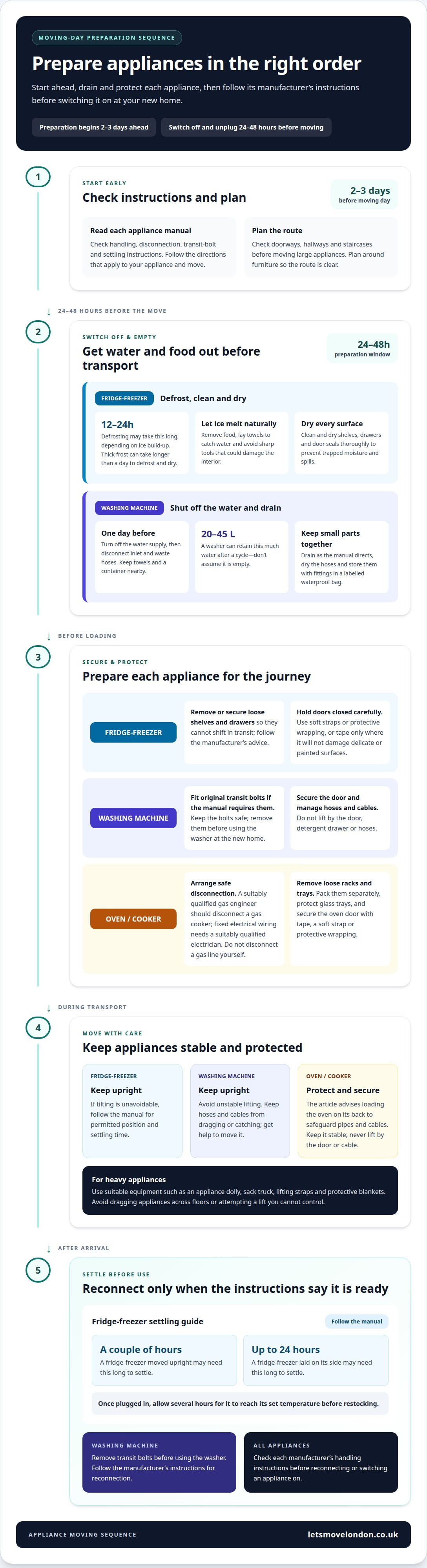
Appliance moving checklist and preparation timings
Start two or three days ahead. Read each appliance’s manual for safe-handling and transport instructions. Measure large appliances and check they can pass through doorways, hallways, staircases and the new property’s entrance. Plan the route before moving day, including tight turns around furniture.
Switch off and unplug household appliances 24 to 48 hours before the move. Follow the appliance-specific preparation steps, allowing more time where defrosting or drying is needed. Keep the fridge-freezer upright during transport, then follow its manual’s settling instructions before reconnecting electrical power.
Arrange disconnection before moving day. Gas connections need a suitably qualified gas engineer, and fixed electrical wiring needs a suitably qualified electrician. Don’t pull integrated appliances from cupboards while plumbing, fixings or cables remain attached. Arrange for these connections to be dealt with before loading begins.
Secure parts and protect surfaces. Remove or secure loose shelves, trays and fittings so they can’t shift. Pack removable parts separately and label them. Secure appliance cords and hoses to the unit, then use protective wrapping or blankets to reduce the risk of scratches to appliances and walls.
Tell the removal team about large or specialist appliances in advance. These items may require extra equipment or team members. Plan a clear route and keep children and pets away from the loading area. A washing machine should stay upright and mustn’t be lifted by its door, drawer or hoses.
Inspect appliances before use at the new home. Look for visible damage and don’t switch on an appliance with a damaged cable or signs of leaking. After reconnecting washing-machine or dishwasher water lines, check for leaks. For help coordinating the move, arrange your appliance move.
Let's Move London: Moving
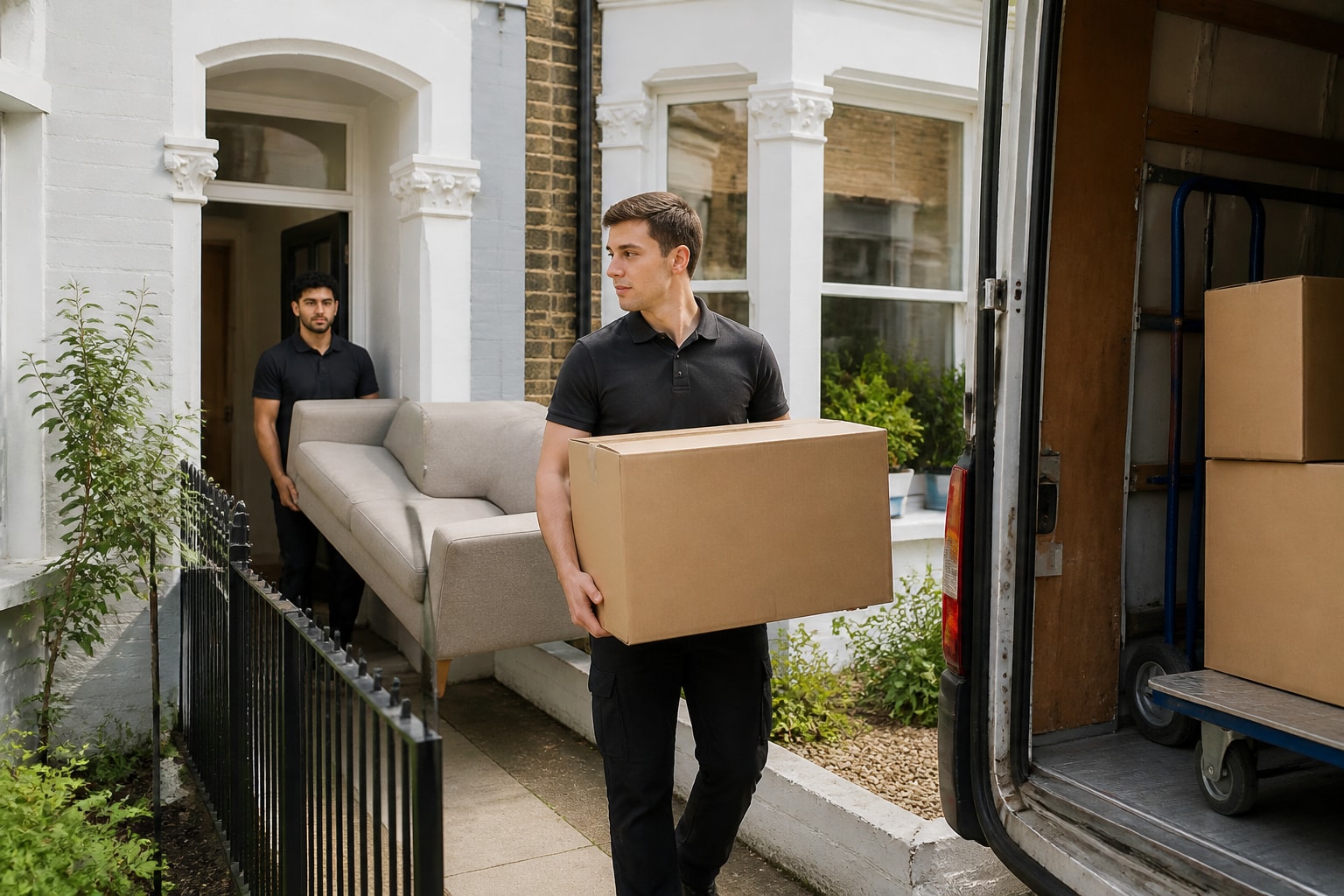
Let's Move London can help move heavy appliances as part of your household relocation, coordinating their transport with your other belongings. This is useful when a fridge-freezer, washing machine or cooker is difficult to manoeuvre through London doorways or staircases, or when you want one organised move for your home.
If there’s a gap between leaving your old property and settling into the new one, storage can keep belongings out of the way until you need them. For a smaller move, a man and van service may suit the load. Include appliance preparation, disconnection and manufacturer instructions in your moving plan so each item is ready for transport and reconnection at the right time.
For help planning your move, contact Let's Move London.
Set Up a Smoother First Day
Include appliance placement in your moving plan, not just the loading schedule. Decide where each item will go before it arrives, and keep the route to that position clear. This helps avoid moving a heavy appliance twice and gives you room to arrange other furniture around it.
Coordinate delivery with access to the new property and any work needed before appliances can be reconnected. If an appliance is going into storage temporarily, plan its handling and eventual return as part of the same transition. A clear sequence makes preparing appliances for moving day more effective: it links careful packing with a practical setup at the other end.
Let the size and layout of your move guide the support you need. Whether you’re arranging a full household move or transporting a smaller load, a well-planned schedule can reduce last-minute pressure and help you focus on settling in.
Contact Let's Move London to plan your move, and take the next step towards a more organised move.
Frequently Asked Questions
Can I Plug Appliances In As Soon As I Arrive At My New Home?
No. The right time depends on the appliance and how it travelled. Let a fridge-freezer settle according to its manufacturer’s instructions, particularly if it was tilted. Before reconnecting a washing machine or dishwasher, make sure its water connections are secure and check for leaks. Don’t switch on an appliance with visible damage, a damaged cable or signs of leaking until it has been assessed.
Can You Lay A Fridge Down To Move It?
Keep a fridge upright where possible. If it must be tilted or laid down, follow the manufacturer’s instructions on the permitted position and how long it must stand upright before use. The waiting period depends on the model and its transport position, so don’t assume one rule applies to every fridge. Consider the route through the property before moving it, as narrow turns can make upright transport difficult.
How Long Before Moving Should I Defrost My Freezer?
Allow at least 24 hours before moving to defrost a freezer, and plan for 24-48 hours of preparation overall. Defrosting can take 12-24 hours depending on ice build-up; a heavily iced freezer may need longer than a day to defrost and dry fully. Start earlier if frost is thick, and let ice melt naturally rather than trying to chip it away.
Should Appliances Be Empty Before A Move?
Yes. Remove food from fridges and freezers, and drain remaining water from washing machines and dishwashers before transport. Empty a tumble dryer’s removable water container, too. Remove loose shelves, trays and other parts that could shift, then pack them separately or secure them as the manufacturer directs. This keeps items from moving inside the appliance during handling and loading.
The Quick Answer: What Should You Do Before Moving Appliances?
Preparing appliances for moving day starts with reading each appliance’s manual and arranging any required professional disconnection. Remove contents, drain water where needed, secure loose parts, and protect cords and hoses for transport. Plan the route through doorways and hallways before moving large items. At the new property, inspect appliances and connections before use, then follow the manufacturer’s instructions for reconnection.
How to prepare a fridge freezer for moving day
Preparing appliances for moving day includes switching the fridge-freezer off in advance, removing all food and allowing the freezer to defrost. Catch meltwater, then clean and dry the interior so shelves, drawers and seals are ready for transport. Secure the doors without using adhesive that could damage the finish. Keep the appliance upright if possible, and consult its manual to determine when it can be plugged in after arrival.
Comments