
How to settle into a new London neighbourhood and meet people
You don’t need to know all of London to feel at home in it. To settle into a new London neighbourhood, start close to home: explore local streets and parks, find a regular activity, and look for small ways to connect with people nearby.
It’s understandable to feel like a stranger after a move, even when you’re happy to be there. Familiar faces and favourite local places take time to find, but simple, repeatable steps can help your new London neighbourhood feel more like home.
This guide explains how volunteering, local cafés and community groups can help you meet people, and how social media can point you towards neighbourhood events. It also shows how to weigh priorities such as green space, a quieter setting or a convenient journey, so you can build routines around the life you want.
Table of Contents
1. Volunteering in the community
Volunteering gives you a practical way to meet people while contributing to your community. Try litter picking, helping older residents or assisting a local Scout group. Choose an activity that fits your interests and schedule, then attend regularly so familiar faces become easier to recognise. You don’t have to volunteer straight away; first, browse local Facebook groups or Nextdoor for community projects and event notices. Local stories can also show what residents care about and where help is needed.
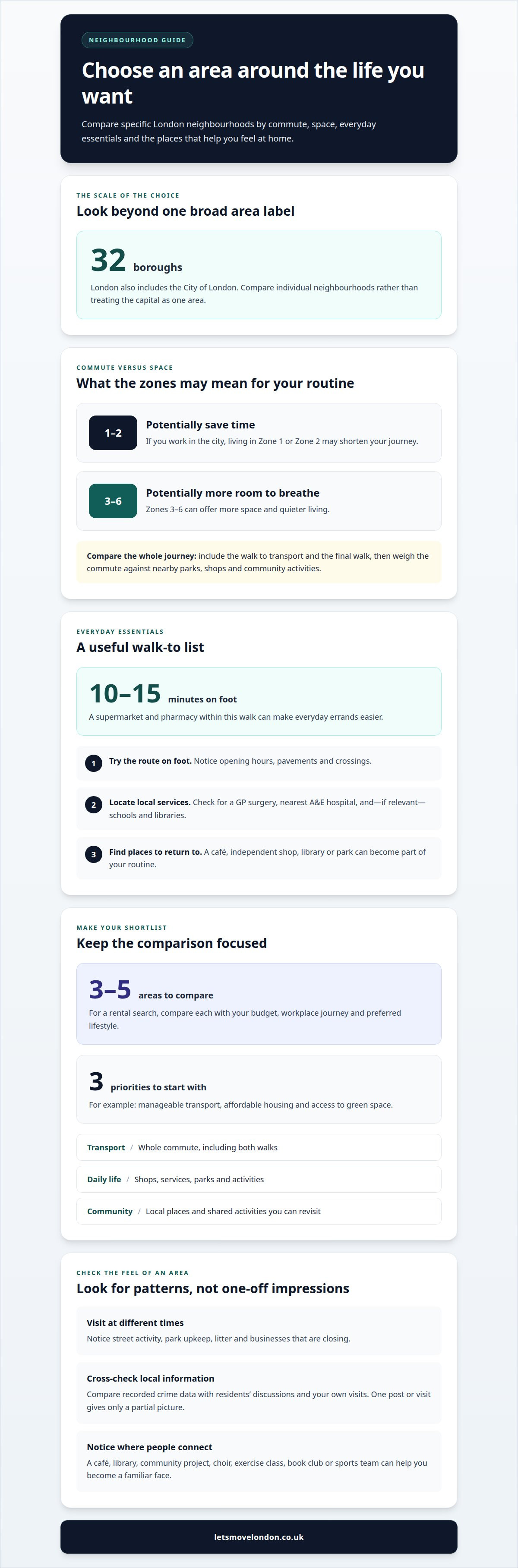
Choosing where to live means balancing budget, transport and lifestyle, not just the apartment itself. London has 32 boroughs, as well as the City of London, so compare specific neighbourhoods rather than treating the capital as one area. If you work in the city, living in Zone 1 or Zone 2 may save time. Zones 3-6 can offer more space and quieter living. Check the whole commute, including the walk to transport and your final walk, then weigh it against nearby parks, shops and community activities.
Typical utility and broadband costs depend on the tariff, household use and package; council tax depends on the property’s band and borough. In England, tenants pay council tax over 10 months, and every adult resident should be declared to the local council.
To learn about safety and crime, look up recorded crime data for the specific area and compare it with local residents’ discussions. Walk nearby streets at different times, noting recurring concerns, park upkeep, litter and closing businesses. One post or visit gives only a partial picture, so look for patterns across several sources and visits.
Use these visits to assess the community atmosphere as well as practical amenities. Introduce yourself to nearby neighbours and ask where rubbish is collected or which park families use. A local café, library or community project can show how people spend time together. Make a short list of priorities, such as a quieter street, green space or a manageable commute, and compare each shortlisted area against it.
2. Exploring local streets, shops, cafés and parks
Walk beyond your usual route to work and notice what each street offers. One practical part of how to settle into a new London neighbourhood is finding everyday essentials nearby. A supermarket and pharmacy within a 10-15 minute walk can make errands easier. Try the route on foot, note opening hours, and see whether pavements and crossings suit your routine. A café, independent shop or library can become a familiar stop, while a nearby park offers space to walk or sit outdoors.
Make a practical local checklist. Find a GP surgery and check whether it’s accepting new patients. Registering with a local GP gives you access to NHS services and referrals to specialists. Note the nearest A&E hospital, too. If you have children, find nearby schools and libraries, then look into school admissions and activities in your borough. Knowing where these services are can help you plan daily life in your new part of London.
For rubbish, recycling and parking permits, use the council’s information for your borough. Look up collection days and local recycling instructions, then follow the council’s process for a resident parking permit. To qualify for a London neighbourhood resident parking permit, your car must be registered in England.
Find local businesses by combining a walk with focused online searches. Browse maps for essentials such as a pharmacy, food shops and repair services, then visit in person to see which places fit your routine. Check nearby parks at different times, too, as their atmosphere and activity can change through the day.
If you’re considering how to settle into a new London neighbourhood, shared activities can help you become a familiar face. Look for a local choir, exercise class, book club or sports team, and choose one you can attend regularly. Parents can explore playgroups and library activities. A pub quiz or creative group is another way to meet people through a shared interest.
3. Finding friends through social media
Local Facebook groups and Nextdoor can help you find community events, recommendations and neighbourhood updates. Search for your area, then read recent posts before joining conversations. Look for recurring events such as a residents’ meet-up, park clean-up or local market. A thoughtful comment or offer to help can start a conversation more naturally than an unsolicited friend request.
Use group posts to learn what matters locally, but keep personal details private. Don’t share your address, travel plans or children’s routines in public posts. For an in-person meet-up, choose a familiar public place and tell someone you trust where you’ll be. Treat online claims about an area as conversation, not the whole picture; compare them with your own visits and other local information.
Online groups can also support a London rental search by showing which amenities and transport links residents use. Start with three to five areas, then compare each with your budget, workplace journey and preferred lifestyle. Browse apartment listings and note what’s included, such as furnishings or bills. Use local discussions to ask about everyday practicalities, but base your decision on the home, tenancy details and location, not a single post.
The council tax band is attached to the property and affects the bill; the relevant council sets the charge. Check the property’s band and the council’s current bill information, as reductions or exemptions may apply in some cases.
Groups can help turn online contacts into shared activities. Search for a book club, walking group, sports team or parent group if you have children. Comment with a specific question, such as where a group meets or whether newcomers can attend. Then follow up politely and show up consistently. Seeing the same people at a regular activity makes it easier to turn online acquaintances into local friends.
4. Comparing neighbourhoods by lifestyle priority
Compare London areas against the life you actually want, not a broad reputation. Start with three priorities, such as manageable transport, affordable housing and access to green space. Zones 3-6 can offer more space and quieter living, while people working in the city may save time by living in Zone 1 or Zone 2. Neither option suits everyone; your workplace and social connections should shape the choice.
For transport, map the complete journey from the front door to work or regular activities. Include the walk to the station, waiting time, the train journey and the final walk. Inner London journeys to central stations commonly take 15-30 minutes, while suburban journeys can range from around 25 minutes to over an hour. Distance alone won’t show how convenient a route feels at your usual travel time.
Compare affordability by weighing total housing costs against your travel needs and daily routine. Then assess amenities in person: a park, supermarket, pharmacy or school may matter more than a short trip to central London. Visit each shortlisted area at different times and note how busy the streets feel, which services are open and whether community activities match your interests.
Consider the type of home and estate as well as the neighbourhood. A managed building may have shared facilities or access arrangements that affect your daily routine. Think about whether you prefer quieter streets, more room or frequent local activity. For a fair comparison, score each area against the same priorities instead of letting one attractive feature decide your move.
To compare London neighbourhoods for transport, affordability, amenities and community, use the same checklist for each area. Give the greatest weight to the factor you can least compromise on, then choose the location that best balances the rest.
Once you’ve chosen an area, plan the practical move around the access and timing your new home requires.
Let's Move London
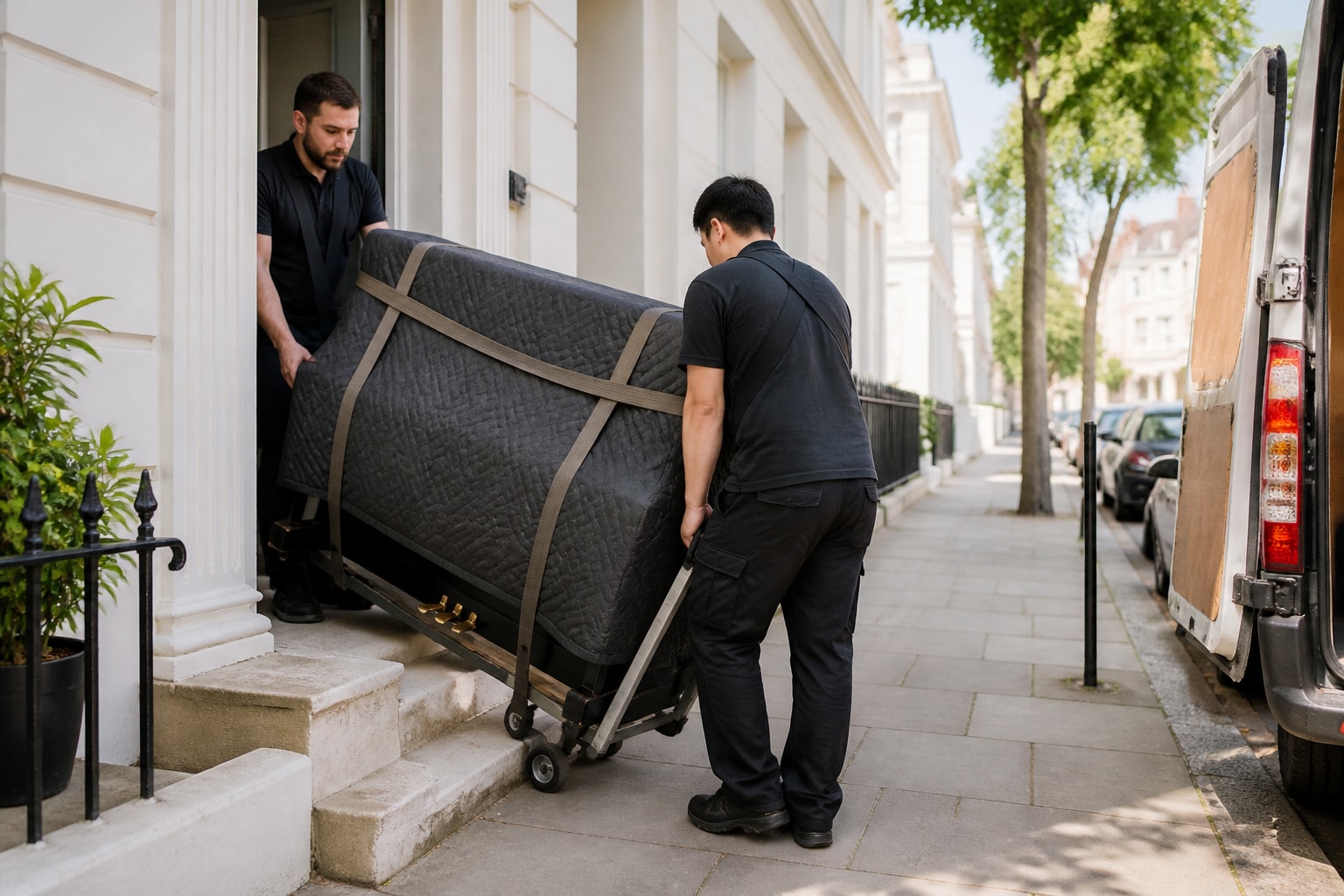
Let's Move London can help with the practical move that brings you to a neighbourhood where you can build new routines and connections. Turn to the team when you’re planning a relocation and need moving or storage support as part of that transition. This can be useful when your new home is not ready for all your belongings, or when coordinating the move feels like one more task alongside getting to know the area.
Once you’ve chosen where to live, focus on settling in: explore nearby streets, join a local activity and give familiar places time to become part of your routine. Let’s Move London can help keep your move organised, so you can focus on making the neighbourhood feel like home. Contact Let's Move London to discuss your move.
Build a Routine That Feels Like Yours
Feeling at home rarely comes from one perfect introduction or a single memorable day. It grows as ordinary routines take shape: recognising familiar faces, finding a favourite place to pause and knowing where to turn for everyday needs. Give yourself room to discover what suits you. Your first impressions may change as you spend more time in the area, and that’s part of making a new place your own.
There’s no single timetable for how to settle into a new London neighbourhood. Choose one small step to take this week, then build from there. If the move itself is still on your list, let practical support take some pressure off the transition. Contact Let's Move London to discuss your next move. A new neighbourhood becomes familiar one day at a time, and you can start building that sense of belonging at your own pace.
Frequently Asked Questions
How to find local shops, markets, libraries and community centres in a London neighbourhood?
Start with your borough council’s directory and search maps for the specific amenity you need. Check market listings for operating days, as markets may not run daily. For community centres and libraries, look for noticeboards or event calendars showing activities and opening times. Save useful locations on a map, then plan a short route to see how easily you can combine errands.
How to check London public transport routes, fares and travel times from a new neighbourhood?
Use TfL’s journey planner to compare routes from your address to regular destinations, such as work or a friend’s home. Check fare information for the journeys you expect to make, and try different departure times if your schedule varies. Consider the whole route, including walking sections and changes between services. Before travelling, review service updates to avoid unexpected disruption.
How to find local clubs, classes, volunteering and social groups in London?
Search online using your borough or neighbourhood name alongside a specific interest, such as “beginner choir” or “park volunteering”. Check the organiser’s own page for session details, how to join and whether newcomers are welcome. Libraries, community venues and local noticeboards can also reveal activities that aren’t widely advertised. Choose an option that fits your routine, then attend regularly enough to recognise other members.
How to meet neighbours and make friends after moving to London?
Start with brief, friendly conversations in shared settings, such as your building entrance, a local event or a regular class. Mention that you’re new and ask a simple question about the area. If the conversation feels mutual, suggest continuing over a coffee or a walk. Keep invitations relaxed, respect people’s time and let friendships develop through repeated contact rather than expecting an instant connection.
How to register with a GP and dentist in London after moving?
Find a nearby GP surgery and check whether it is accepting new patients, then register with it to access NHS services and referrals to specialists.


Comments